
WELCOME TO THE WORLD OF A RESPONSIVE HTML5 WEBSITE
If you just want to let local customers know who you are, what you are about, and where you are located, a static HTML5 website like this one is a very inexpensive way to do so!
HTML5 is designed to be compatible with various devices and platforms, including desktops, laptops, tablets, and smartphones. By utilizing responsive design techniques and modern web standards, HTML5 allows developers to create websites and web applications that adapt gracefully to different screen sizes and device capabilities.
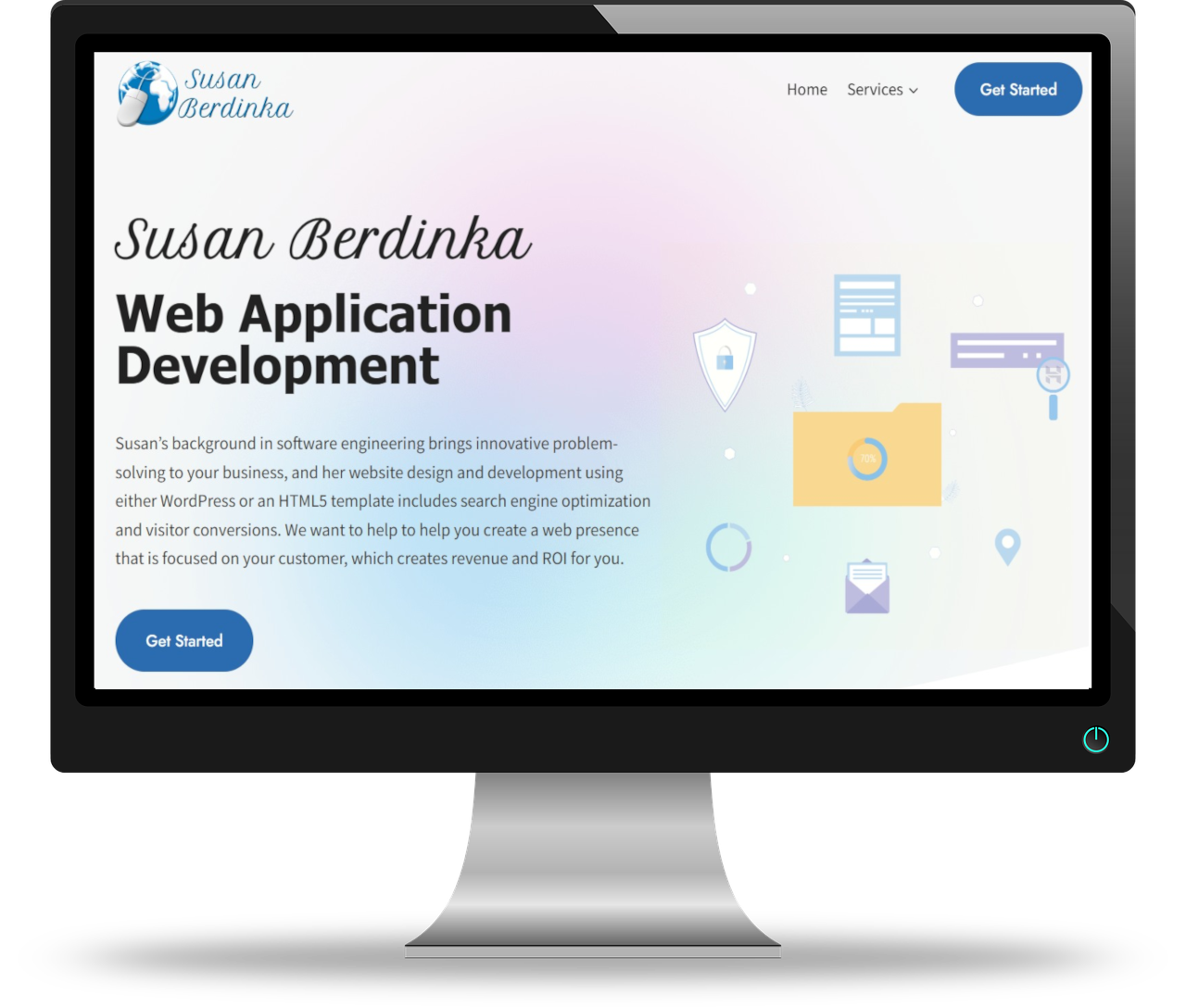
Showcasing Creativity
This portfolio grid is fully responsive, ensuring that visitors have a consistent and enjoyable experience regardless of the device they are using, whether it's a desktop, laptop, tablet, or smartphone. Google and other search engines prioritize mobile-friendly websites in their search results, so having a responsive portfolio grid can improve your website's visibility and ranking.







Grid
Cool grid to display client logos.









(use a subheading like below to describe what you do, for example for an art school...)
Unveiling the Artist Within
(or for a restaurant...)A Taste of Tradition Served with Love
Icon fonts look fantastic on any display or screen resolution. By adopting icon fonts for your website design, there's no need to render icons on web pages using images.